

Architecture Stories · Saigon
Saigon: From Colonial to Modern
Written by Ryan Ngoc · Local Guide at Saigon Travel Mate
There are cities that preserve their history in museums.
Saigon keeps its history alive on the streets.
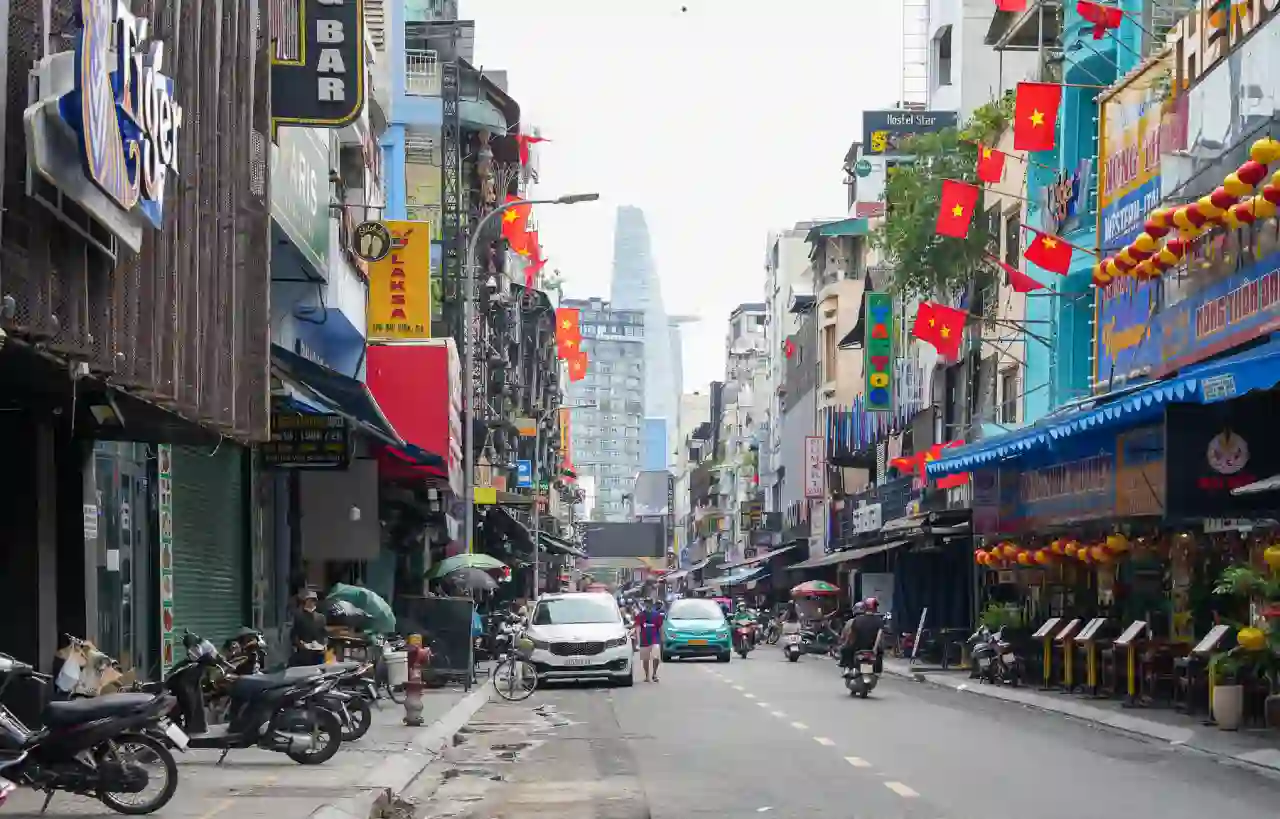
The story of Ho Chi Minh City is not told through a single landmark, a famous monument, or a historic district. Instead, it unfolds block by block, where French colonial facades stand beside glass skyscrapers, where century-old boulevards meet modern pedestrian plazas, and where traces of the past continue to shape one of Asia’s fastest-changing cities.
For visitors exploring District 1 for the first time, the city may appear chaotic and constantly moving. Yet beneath the movement lies a fascinating architectural journey — one that reveals how Saigon evolved from a colonial trading port into Vietnam’s modern economic center.
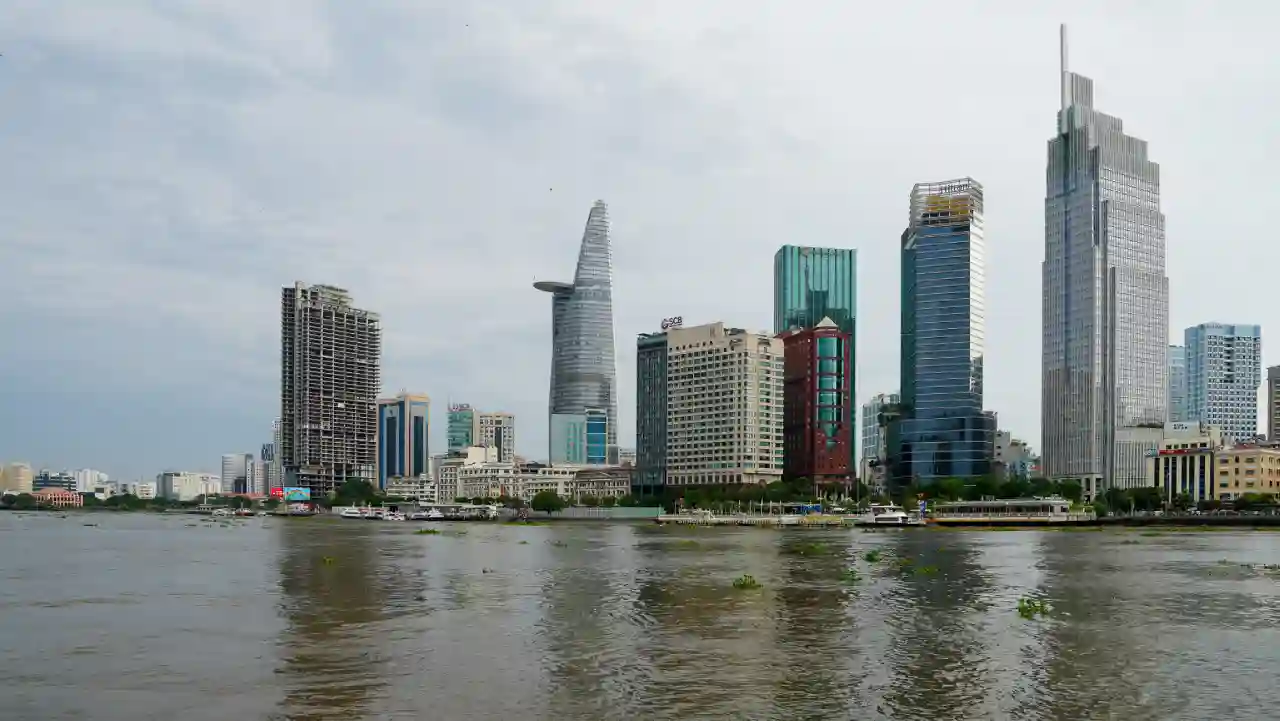
The Colonial Foundations of Saigon
The architectural identity of modern Saigon began during the French colonial period in the late nineteenth century.
Many of the city’s most recognizable buildings were constructed during this era, including the Saigon Opera House, the Central Post Office, Notre Dame Cathedral, and the former Hotel de Ville, now known as Ho Chi Minh City Hall.
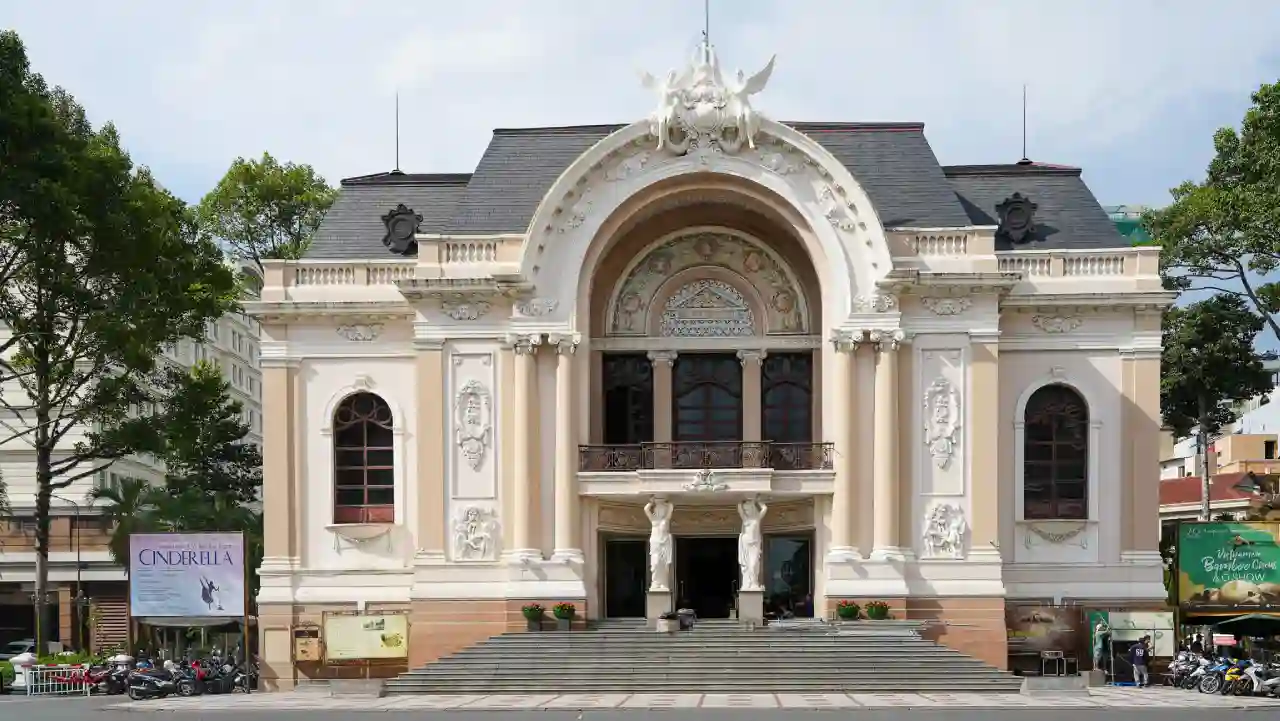
Among them, the Saigon Opera House remains one of the finest examples of French colonial architecture in Vietnam. Built in 1898, its ornate facade, decorative reliefs, and symmetrical design reflect the influence of European civic architecture at the height of French Indochina.
Standing in front of the building today, visitors often notice how naturally it blends into modern Saigon. Luxury hotels, cafés, office towers, and busy streets surround it, yet the Opera House continues to serve as a cultural landmark that connects the city to its colonial past.
What makes Saigon unique is not simply the preservation of these buildings. It is the way they remain integrated into everyday urban life.
The Central Post Office and Colonial Civic Life
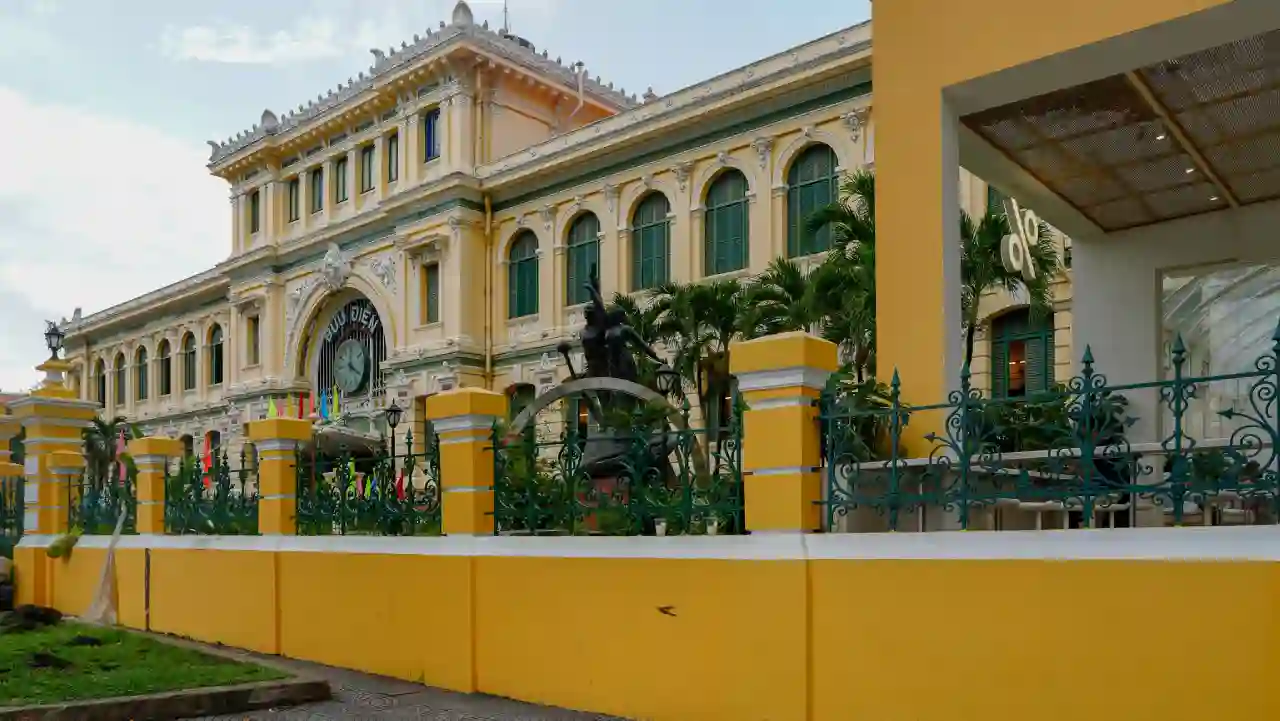
A short walk from the Opera House leads to the Saigon Central Post Office.
Completed at the end of the nineteenth century, the building was designed as the heart of communication for French Indochina. Its yellow facade, arched windows, and ornate ironwork reflect the same European civic style that shaped much of downtown Saigon.
Today, the post office still operates as it did more than a century ago, while welcoming thousands of visitors each day.
Standing in front of its bright yellow walls and decorative gates, visitors can see more than architecture. They see a visual timeline of Saigon itself — a city shaped by colonial influences, national transformation, and rapid modernization.
This contrast between old and new appears throughout District 1, creating an urban landscape unlike anywhere else in Southeast Asia.
Nguyen Hue and the Reinvention of Downtown Saigon
A generation ago, Nguyen Hue was a busy traffic corridor.
Today, it is one of the city’s most successful examples of urban transformation.
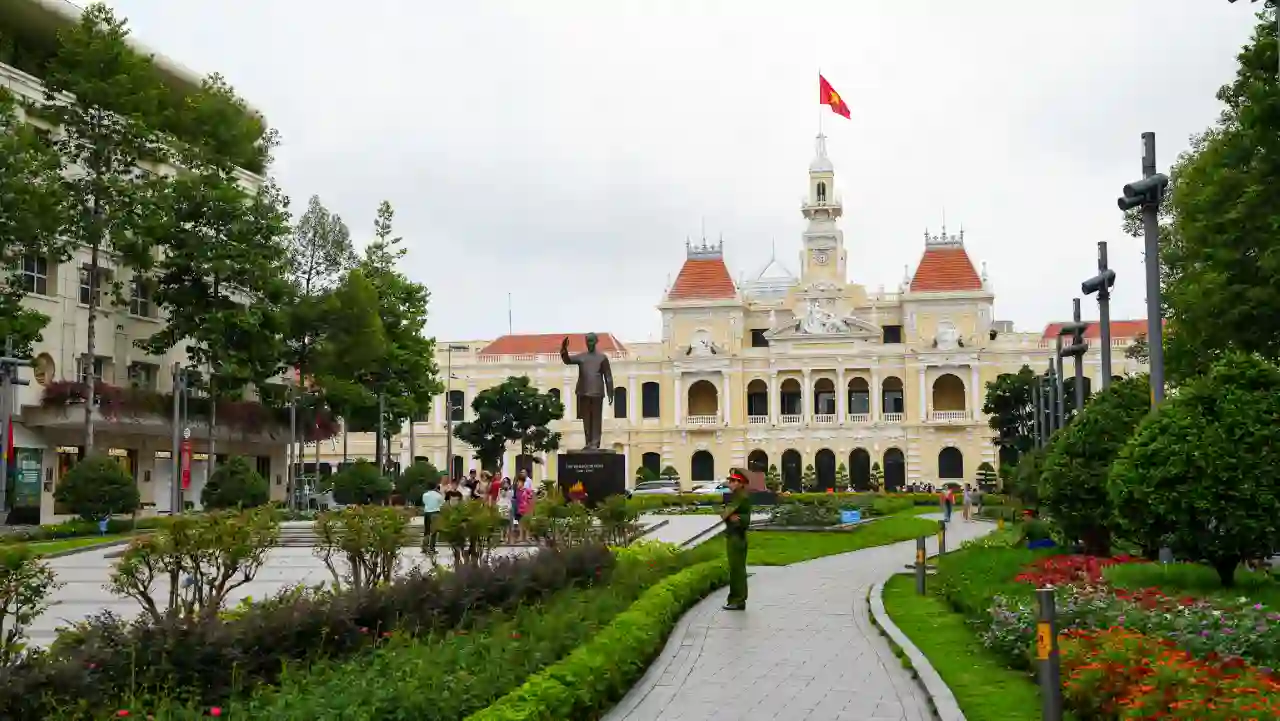
The pedestrian boulevard has become a public gathering space where families stroll in the evening, young people meet friends, tourists photograph the city skyline, and cultural events bring together residents from across Ho Chi Minh City.
The significance of Nguyen Hue extends beyond urban design.
It demonstrates how historic architecture can coexist with contemporary city planning. At one end stands City Hall, representing the city’s colonial heritage. Along the boulevard rise modern office towers, luxury hotels, and commercial developments that symbolize Vietnam’s economic growth.
Rather than replacing the past, Saigon has layered new identities upon it.
A guided Saigon city tour is one of the easiest ways to read these layers in a single afternoon.
From River Port to Global City
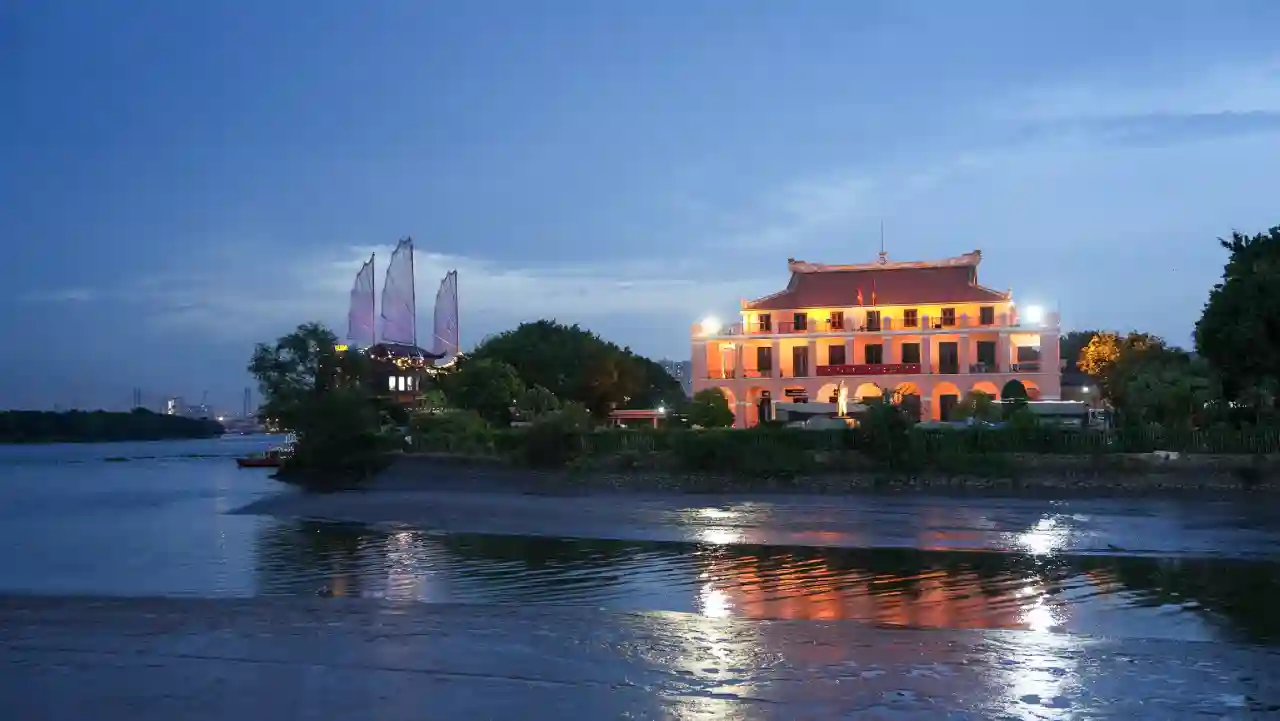
Long before skyscrapers dominated the skyline, the Saigon River shaped the city’s destiny.
For centuries, trade routes connected southern Vietnam with regional and international markets. The river transformed Saigon into one of Southeast Asia’s most important commercial gateways.
Historic sites such as Nha Rong Wharf remind visitors of this maritime heritage.
Standing along the waterfront today, it is possible to look across the river and see two different eras at once. Traditional port structures remain visible while modern towers rise above the skyline in the distance.
Few places illustrate Saigon’s transformation more clearly.
The river that once carried merchant ships now reflects the glass and steel of a global city.
Symbols of Modern Saigon
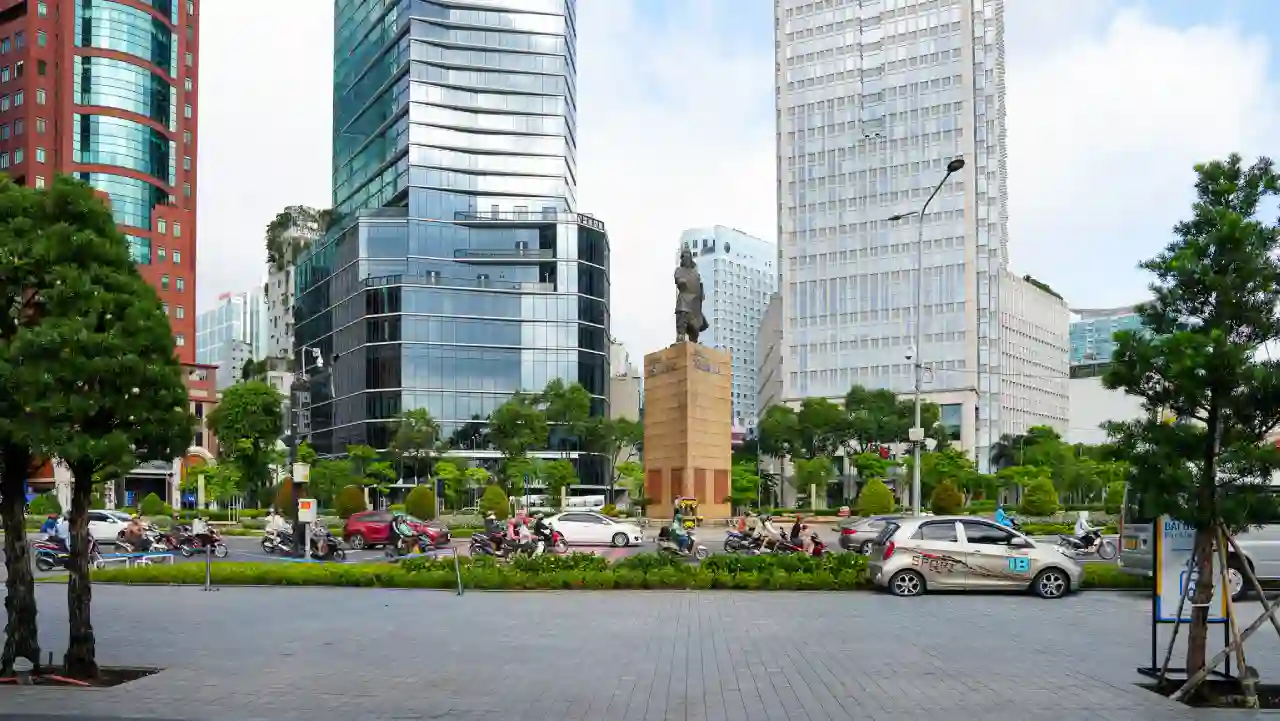
If colonial architecture tells the story of Saigon’s past, its skyline reveals the ambitions of modern Vietnam.
The most recognizable symbol of this transformation is Bitexco Financial Tower.
When it opened, the tower immediately became an icon of contemporary Saigon. Its distinctive design signaled a new chapter in the city’s development, representing innovation, international investment, and economic confidence.
Today, Bitexco stands among a growing collection of high-rise buildings that continue to reshape the skyline.
Yet unlike many rapidly developing cities, Saigon’s modern architecture rarely erases what came before it.
Historic landmarks remain visible throughout the urban landscape, creating a dialogue between different generations of the city.
Ben Thanh Market and the Everyday City
Not all architecture is monumental.
Some of the most important buildings are those that remain part of daily life.
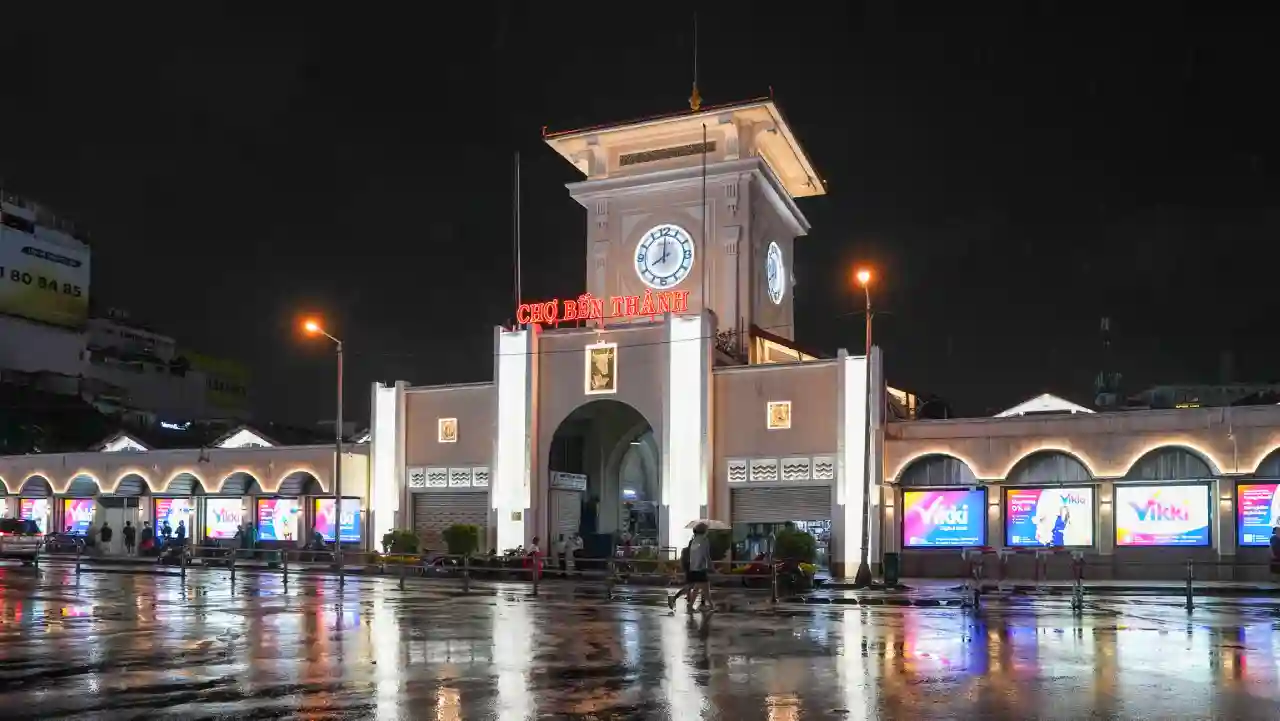
Ben Thanh Market is perhaps the best example.
For more than a century, the market has served as a commercial and cultural center for both residents and visitors. Its clock tower has become one of the most recognizable symbols of Ho Chi Minh City.
By day, the market buzzes with local commerce.
By night, the surrounding streets transform into a vibrant social space filled with food vendors, travelers, and residents enjoying the city’s energy. To taste that side of the city, see our Saigon street food culture story or join the Saigon street food tour.
In many ways, Ben Thanh represents the continuity of Saigon itself — constantly changing while remaining unmistakably familiar.
A City Still Being Written
Unlike cities frozen in time, Saigon continues to evolve.
New towers rise. Historic districts adapt. Public spaces transform. Infrastructure expands.
Yet despite these changes, the city’s architectural identity remains remarkably coherent.
The story of Saigon is not a story of preservation versus progress.
It is a story of coexistence.
French colonial landmarks, post-war civic spaces, modern skyscrapers, riverfront developments, traditional markets, and contemporary public plazas all contribute to the character of the city.
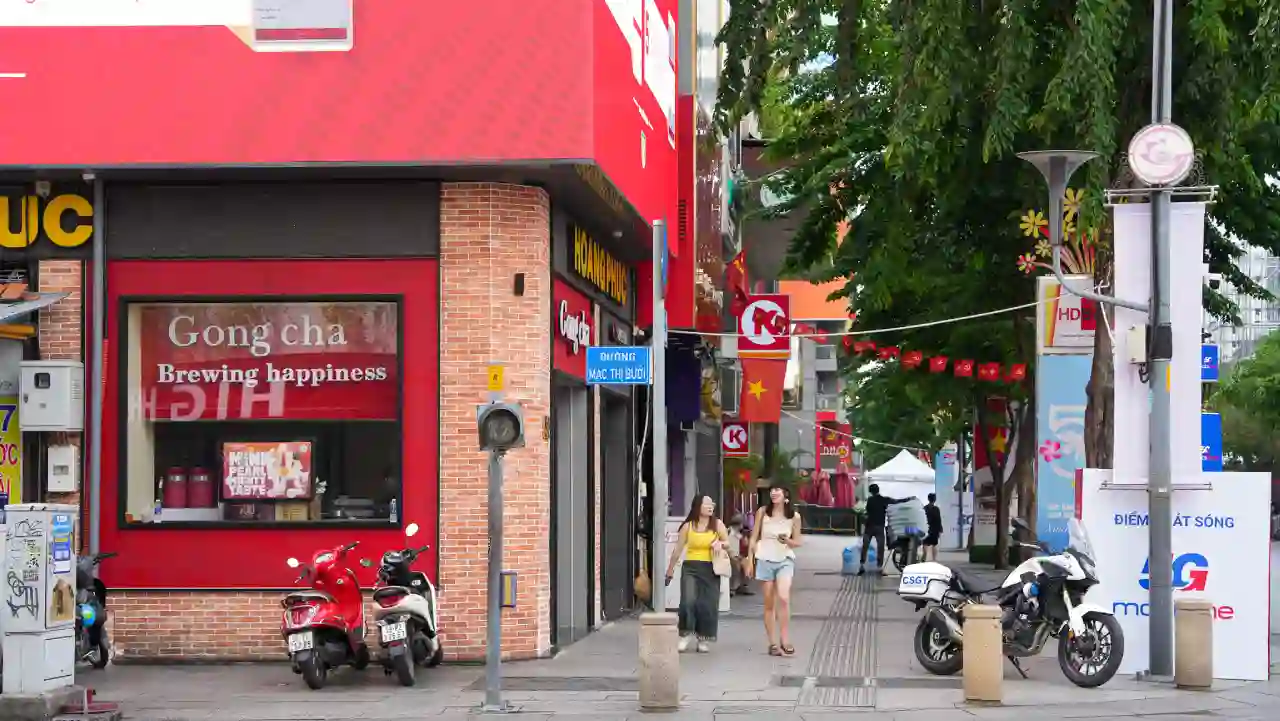
For travelers willing to slow down and observe, architecture becomes more than a collection of buildings. It becomes a way of understanding Saigon itself — a city that honors its past, embraces its future, and continues to reinvent itself every single day.
Browse real moments from travelers exploring the city, or see all of our Saigon experiences.
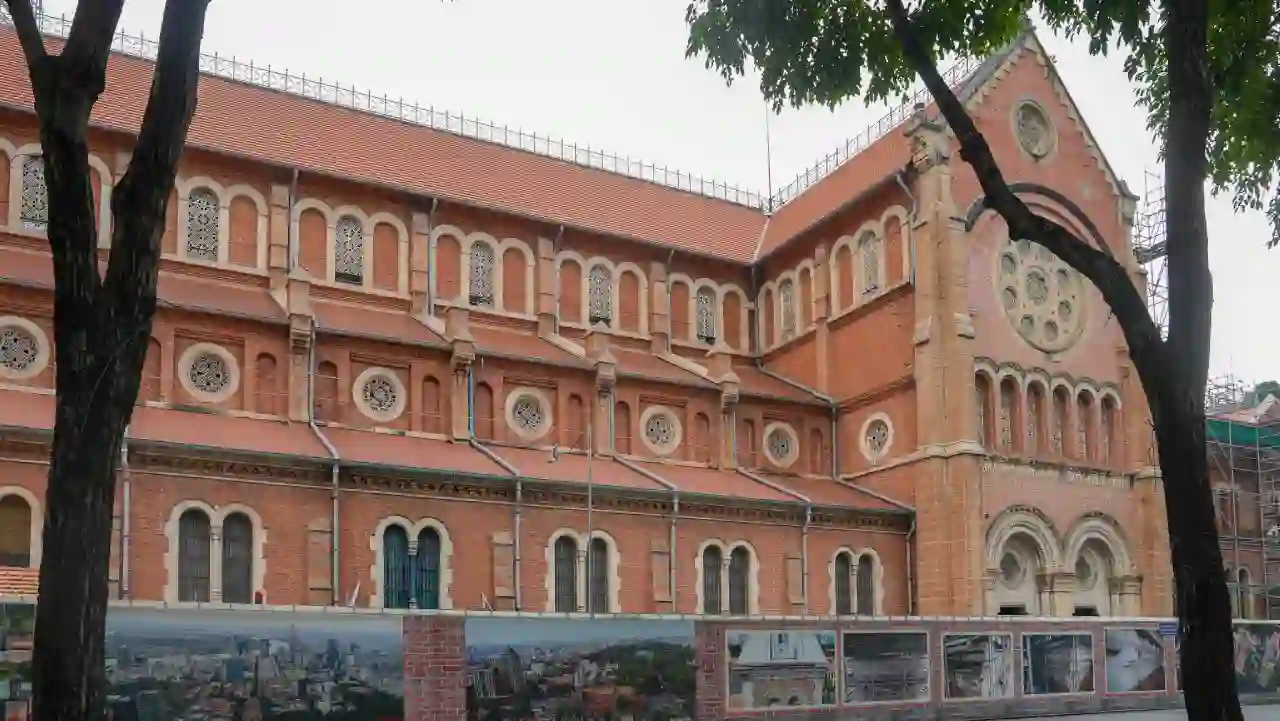
Notre Dame Cathedral and the Soul of the City
Few buildings capture Saigon’s colonial soul as completely as the Notre Dame Cathedral Basilica.
Built between 1877 and 1880 with red bricks shipped directly from Marseille, the cathedral has weathered more than a century of monsoons, wars and urban change. Its twin bell towers still rise above the rooftops of District 1, anchoring the neighborhood that grew around it.
Even under restoration scaffolding, the cathedral remains a quiet counterpoint to the city’s constant motion — a reminder that some chapters of Saigon’s story are written in stone rather than steel.
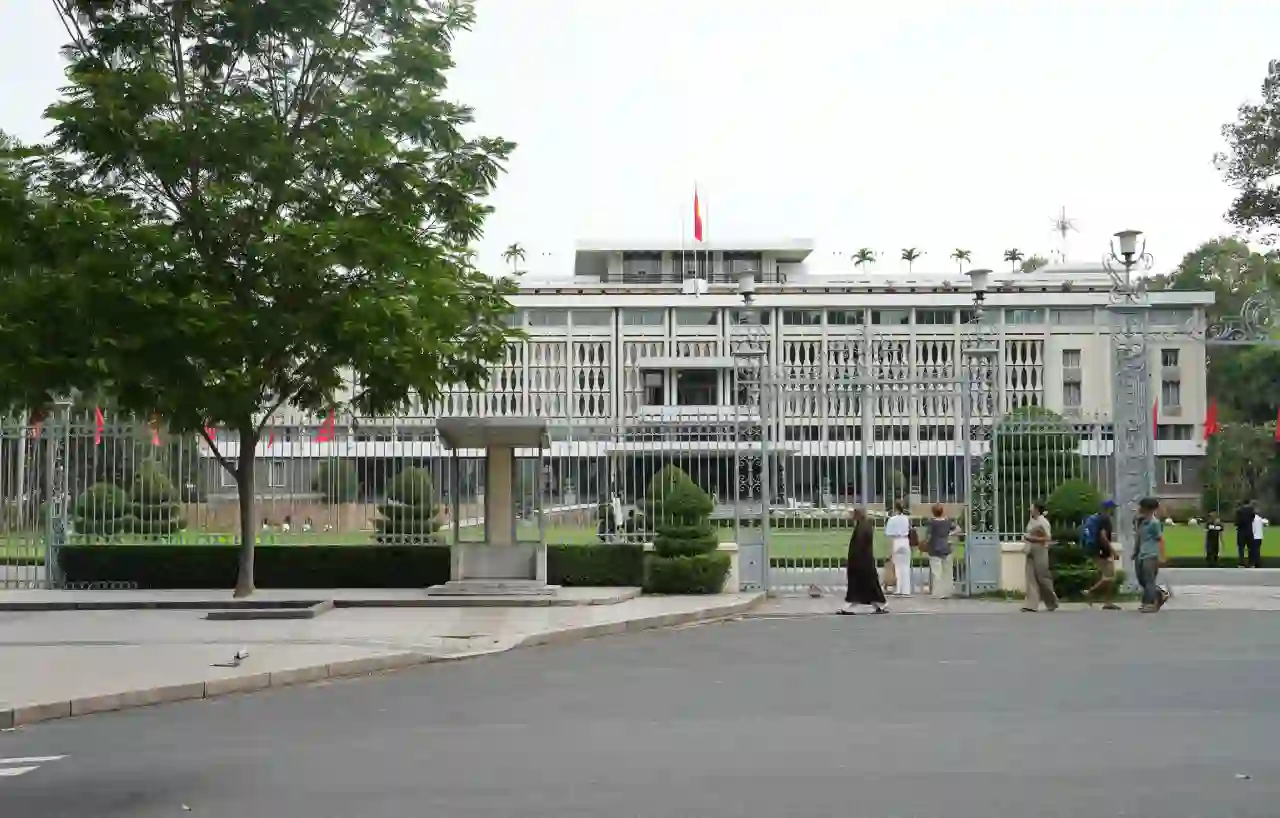
The Independence Palace and a Turning Point in History
If the cathedral represents Saigon’s colonial past, the Independence Palace marks the moment the city stepped into a new era.
Completed in 1966 on the site of the former Norodom Palace, the building is one of the clearest examples of mid-century modernist architecture in Southeast Asia. Its geometric facade, open courtyards and symbolic layout were designed to express a new national identity.
On April 30, 1975, a tank crashed through its front gates and a chapter of Vietnam’s modern history was sealed. Today the palace stands as a museum — a place where architecture, memory and the long story of Saigon meet in a single courtyard.
Beyond the city center, day trips to the Cu Chi Tunnels add another layer to that story — reminders that Saigon’s identity has been shaped by far more than architecture alone.
A Local Perspective on Saigon’s Architecture
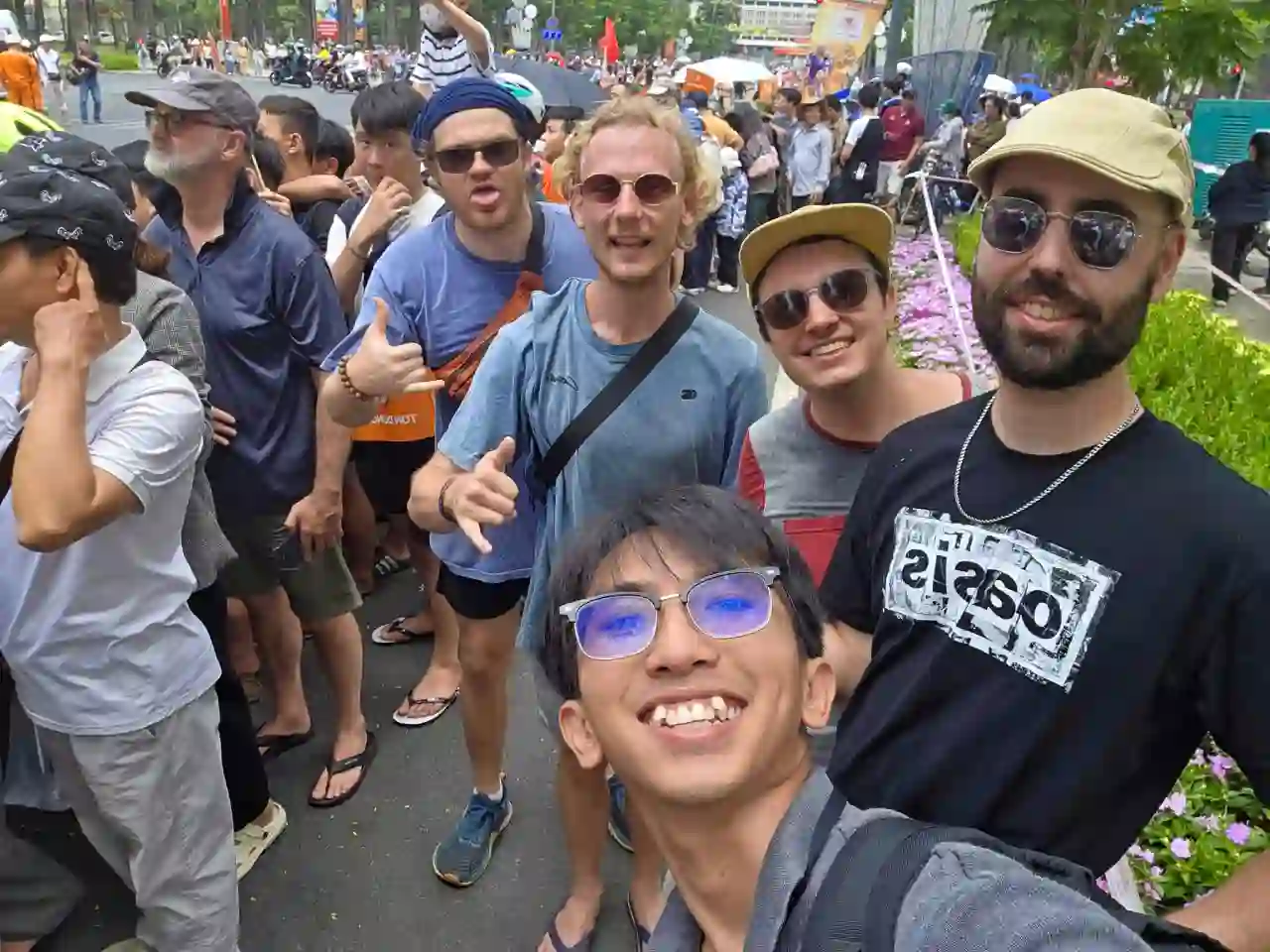
Exploring Saigon’s architecture with a local guide changes how you see the city.
It is not only about names and dates. It is about understanding why certain streets were designed the way they are, why some buildings survived while others did not, and how the city continues to shape itself around the people who live here.
Local Guide Note
Many visitors focus on individual landmarks when exploring District 1. What often surprises them is how close these places are to one another.
Within a 15–20 minute walk, you can move from French colonial architecture to modern skyscrapers while experiencing more than a century of Saigon’s urban history. Few cities in Southeast Asia reveal their history so clearly through a single walk.
Traveler Perspective
“Honestly, I expected modern skyscrapers, but I didn’t expect so much history in one district. Walking from the Opera House to the Independence Palace completely changed how I see Saigon.”
— International visitor during a Saigon city walk
Suggested Architecture Walk
For travelers who enjoy exploring on foot, this route offers one of the best introductions to the city’s architectural story:
Meet Your Local Guide
Architecture is more than buildings.
For years, our local guides have explored these streets with travelers from around the world, sharing the stories behind Saigon’s colonial landmarks, historic districts, modern developments, and everyday local life.
Every walk becomes a conversation about how the city has evolved — from French colonial foundations to one of Southeast Asia’s most dynamic urban centers.
The best moments often happen between the landmarks themselves: a hidden alley, an unexpected café, a local story, or a conversation that helps visitors understand the city beyond what guidebooks can offer.
If you would like to experience Saigon beyond the monuments and postcards, join us and discover the city through a local perspective.
Explore Saigon With A Local Perspective
Walk the city with someone who calls it home
Architecture is only one chapter of Saigon’s story. Join a local experience with Saigon Travel Mate and discover the people, history, food culture, and neighborhoods that make Ho Chi Minh City one of the most fascinating urban destinations in Asia.
Planning a visit to Saigon?
Message us on WhatsApp
Tell us what you’d like to see and we’ll help you put together a day that walks the line between Saigon’s colonial past and its modern present.
Chat on WhatsAppWritten by
Ryan Ngoc
Local Guide at Saigon Travel Mate
Dang has spent years introducing international visitors to the architecture, history, food and everyday life of Ho Chi Minh City through authentic local experiences.