

Vietnam — felt, not toured.
Sapa Homestay Trek
The mountains change after dark. Most visitors leave before they find out.
The mountains change after dark. Most visitors leave before they find out.
The trekking groups head back to town by four. The viewpoint crowds thin. The souvenir stalls close. And then — slowly, completely — the highland valleys become something else entirely.
Smoke rises from cooking fires. Water buffalo move through the fading terraces. A family gathers for dinner behind a door left partly open to the cold mountain air.
This is the Sapa that exists after the day-trippers leave. Walking through it is one thing. Sleeping inside it changes what the landscape means.
Three moments that stay with you.
The Valley at Dusk
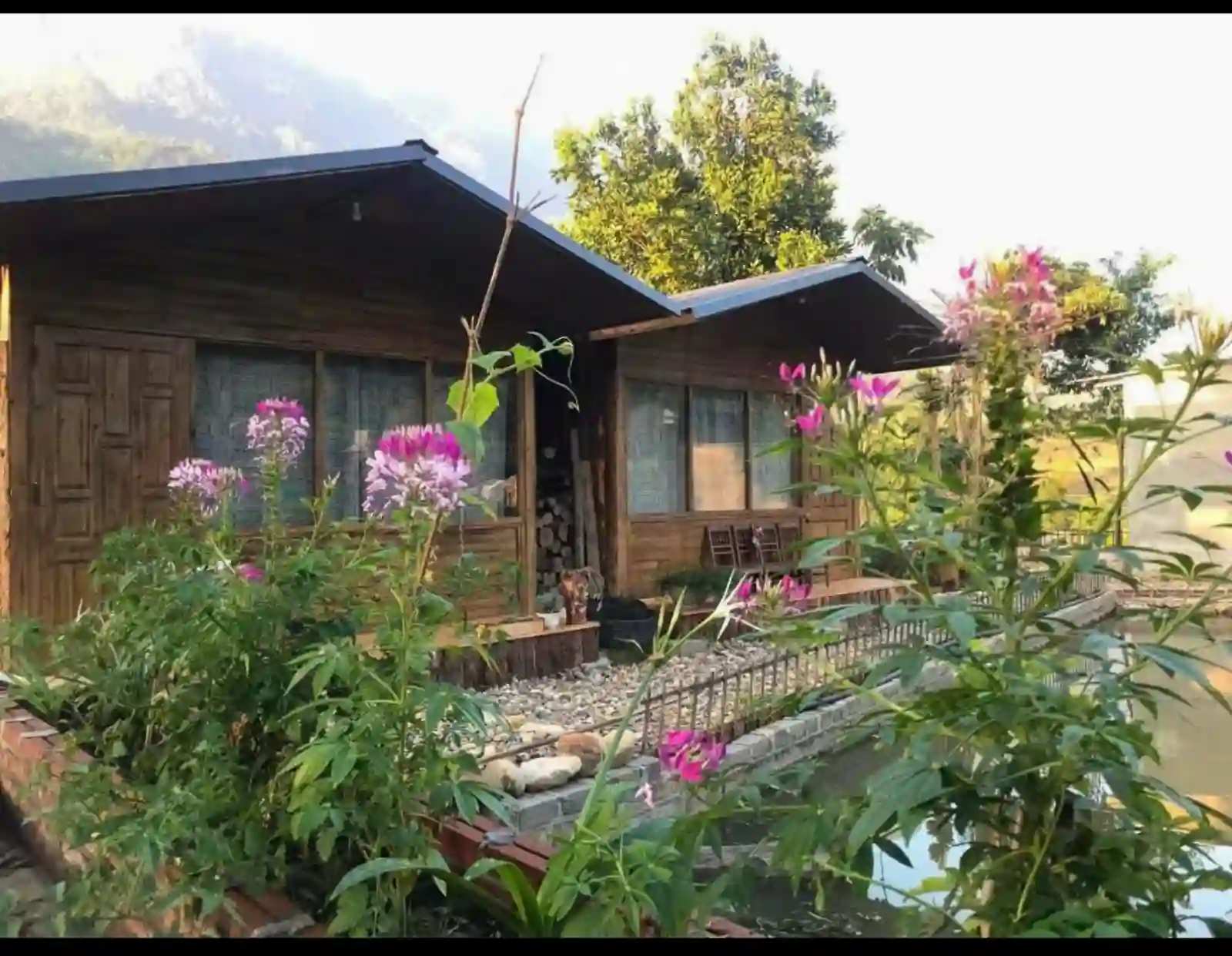
Late afternoon in the highlands feels different from anything that came before it. The terraces darken as cloud shadows move across the mountains. The villages quiet. Children return home. Your guide leads you down the final section of trail just as the light softens completely across the valley floor. The homestay appears between the terraces — timber walls, corrugated roof, smoke rising into the cold air. This is the moment most travellers say the trip stopped feeling like tourism.
Dinner with the Family
Rice from the valley. Mountain vegetables. Local herbs. Dishes prepared the way they are prepared every night, whether visitors are present or not. Conversation moves between languages with your guide's help. Stories emerge naturally — farming seasons, village life, children who left for the cities and sometimes returned. Nothing is arranged for your benefit. That is precisely why it stays with you.
Morning Above the Terraces
Before the trail begins again, before breakfast, the valleys fill with low cloud while the upper terraces catch the first light. The silence at this hour is unusually complete. A cup of tea in cold mountain air. Roosters somewhere below the ridge. Mist moving between the rice fields like slow water. This is the version of Sapa that photographs attempt and rarely reach.
How the two days unfold.
Into the Valley & Life in the Highlands
- 08:30Step 01Your Guide Meets You in Sapa TownSapa Town
Your guide meets you in Sapa Town for a briefing on trail conditions and the route ahead. The path leaves town behind quickly. Within twenty minutes, the roads disappear and the terraces begin.
- 09:00Step 02Into the Muong Hoa ValleyMuong Hoa Valley · Black Hmong communities
The route moves through the Muong Hoa Valley — narrow highland trails connecting villages, ridgelines, bamboo forest sections, and suspension bridges crossing between terraced fields. Along the way: rice terraces that are agricultural engineering rather than scenic backdrop, and highland villages that are communities first — children walking home, farmers in the fields, elderly women weaving outside wooden houses in the late afternoon light.
- 12:30Step 03Lunch in the ValleyLocal restaurant · Muong Hoa Valley
Lunch is served at a local restaurant inside the valley before continuing deeper into the countryside.
- 17:00Step 04Arrival at the Family HomestayTa Van · family homestay
The homestay appears between the terraces — timber walls, corrugated roof, smoke rising into the cold air. A local family home in the valley, designed for living rather than for tourism. Private bedding. A shared evening meal. An atmosphere that is informal and genuinely warm in the way only small mountain homes can manage.
- 19:00Step 05Dinner with the FamilyFamily homestay
Rice from the valley. Mountain vegetables. Local herbs. Dishes prepared the way they are prepared every night, whether visitors are present or not. Conversation moves between languages with your guide's help. Stories emerge naturally — farming seasons, village life, children who left for the cities and sometimes returned. Nothing is arranged for your benefit. That is precisely why it stays with you.
Morning Mist & Return Through the Terraces
- 06:30Step 01Morning Above the TerracesTa Van · rice terraces
Before the trail begins again, before breakfast, the valleys fill with low cloud while the upper terraces catch the first light. The silence at this hour is unusually complete. A cup of tea in cold mountain air. Roosters somewhere below the ridge. Mist moving between the rice fields like slow water.
- 08:30Step 02The Trail ContinuesRed Dao villages · forest trails
After breakfast at the homestay, the trail continues through quieter sections of the valley, catching the changing morning light across the terraces. Additional villages and panoramic ridgelines before the path gradually returns toward Sapa Town by afternoon.
- 12:00Step 03Lunch & Return to SapaValley lunch · Sapa Town
Lunch is served before returning comfortably to Sapa Town in the afternoon.
Why a night with the family changes the landscape.
- ●Private trek — your group only, with a dedicated guide from start to finish.
- ●Trail-experienced local guide, daily weather monitoring, and carefully selected homestay families.
- ●Direct relationships with highland families built over years of guiding in the Muong Hoa Valley.
Everything that matters. Nothing that doesn't.
Direct relationships with highland families built over years of guiding in the Muong Hoa Valley.
Included
- ●Private Saigon Travel Mate trekking guide
- ●2-day guided trek through Muong Hoa Valley
- ●Overnight stay with a local highland family
- ●All meals: lunch and dinner Day 1, breakfast and lunch Day 2
- ●All village and trail entrance fees
- ●Cultural commentary throughout — textiles, farming, traditions, community life
- ●Flexible routing based on weather and conditions
Not included
- ✕Hanoi–Sapa transport (arranged separately)
- ✕Sapa town hotel pre/post if needed
- ✕Alcoholic drinks
- ✕Tips for guides and host family
- Terrain
- Mountain trails and village paths
- Fitness
- Moderate. Uphill and downhill sections on uneven mountain paths, several hours of walking each day. The pace is set by you and adjusted throughout.
- ●Bring · Hiking boots (broken in) · Layers for changing temperatures · Waterproof jacket · Small overnight bag · Camera with enough storage · Headlamp/flashlight
- ●Meeting point: confirmed via WhatsApp after booking
Honest, practical answers.
Fitness+
Moderate. Uphill and downhill sections on uneven mountain paths, several hours of walking each day. The pace is set by you and adjusted throughout. Comfortable hiking boots are the single most important thing you bring.
What to Pack+
Layers for changing temperatures, waterproof jacket, small overnight bag, camera with enough storage. The mornings are cold. The afternoons can surprise you.
The Seasons+
May–June: flooded mirror terraces. July–September: vivid green rice fields. September–October: golden harvest, the most photographed season. November–March: mist, cold air, atmospheric and quiet. Every season produces a different emotional version of the same landscape.
Photography+
The highlands reward patience. Morning mist, terrace reflections, smoke rising from village kitchens, light breaking through cloud gaps — your guide knows where these moments tend to happen and when to stop long enough to let them arrive.
Village Visits+
Always conducted with your guide's established community relationships. Ask before photographing people — your guide will ask correctly, in the right language.
The terraces were built one generation at a time.
Two days. One night. The northern highlands as they actually are.